Friday
04:30 PM
Classics Speaker Series: Julia Mebane
Location: Goldwin Smith Hall, 142
 Department Homepage
The College of Arts & Sciences
Department Homepage
The College of Arts & Sciences
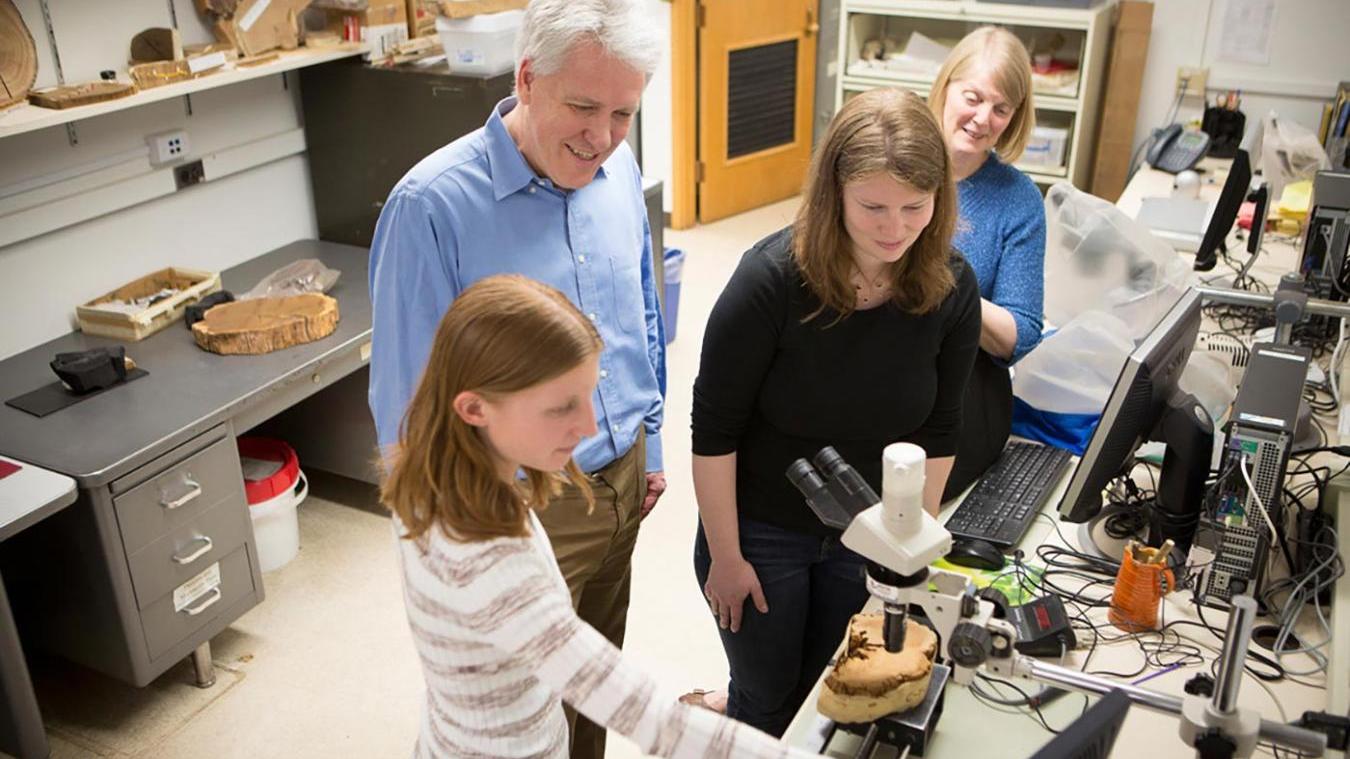
Members of the Cornell Classics community engage in research across the whole domain of Classical Studies, from Greek and Roman literature and historical linguistics to ancient philosophy, historiography, archaeology, and art history.
Cornell classicists combine rigorous training in ancient languages with cutting-edge theoretical approaches, covering material from the Aegean Bronze Age to Late Antiquity, and regions from the Latin West to the Caucasus, though with a firm basis in the cultures of the Greco-Roman Mediterranean.
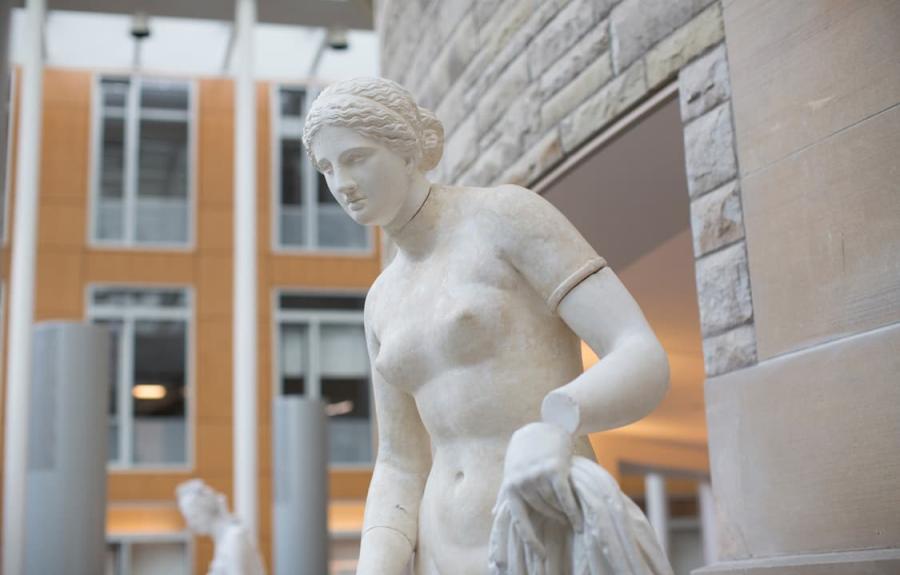
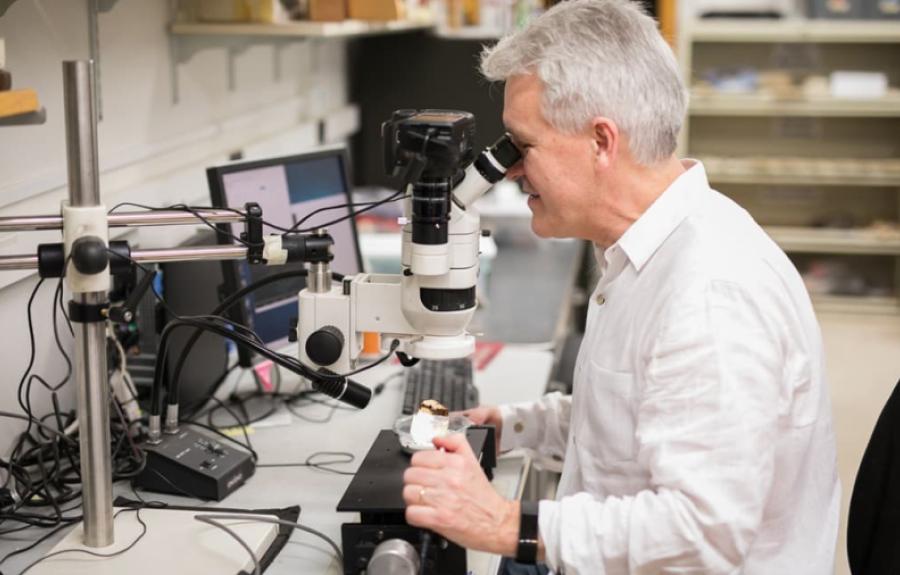
The American Research Center in Sofia (ARCS) was established in 2004 as both a center for research and a training institution, committed to training North American graduate students in the history, culture, and languages of the region. Cornell University hosts the US Office of ARCS.
Location: Goldwin Smith Hall, 142
Location: Goldwin Smith Hall , 142

Barry Strauss, College of Arts & Sciences professor emeritus at Cornell University, received the 2026 Hattendorf Prize from the U.S. Naval War College for lifetime achievements in military history research and writing. The biennial award was presented Sept. 9, and Strauss delivered a lecture on sea power’s modern lessons from ancient Greece and Rome.

An Arts Unplugged event on Oct. 7 in Klarman Atrium will offer a chance for Cornell community members to perform key public speeches from antiquity and modernity on enduring questions of democratic life. “2,500 Years of Democratic Speech" is organized by the College of Arts and Sciences.

Cornell President Michael I. Kotlikoff and classics professor Mike Fontaine will discuss free speech and leadership Oct. 6 at Cornell University. The eCornell Keynote opens the Program on Freedom and Free Societies series.

A classics professor in Cornell's College of Arts and Sciences says Trump’s planned triumphal arch revives imperial symbolism tied to military conquest and centralized power. The scholar argues the monument contrasts with American founders’ preference for republican ideals over Roman emperor imagery.

Cornell College of Arts and Sciences scholars are among the 42 faculty members and staff from 19 Cornell schools, colleges and units named Engaged Fellows for 2026-2027, the largest cohort since the program’s launch in 2013.


In the three-part docudrama POMPEII: OUT OF TIME, Cornell archaeologist Caitie Barrett helps actor Tom Hiddleston uncover some of the secrets of the daily lives of people who were living in Pompeii when Mount Vesuvius erupted in 79 C.E.

Cornell’s College of Arts & Sciences honors the winners of its 2026 teaching and advising awards. Faculty members Nicole Giannella, Karola Mészáros and Landon Schnabel stand out this year, earning major awards for excellence; many instructors and teaching assistants received recognition, as well.